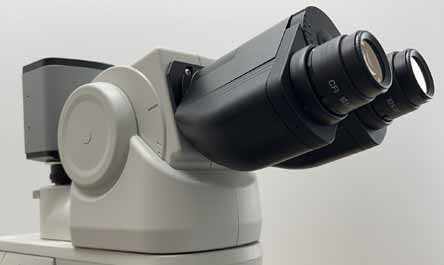
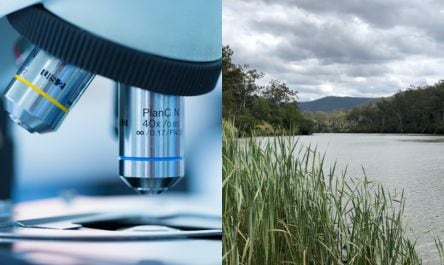
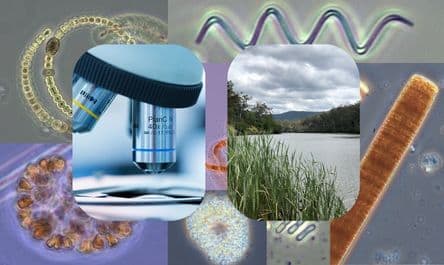
This is an introductory course in compound light microscopy utilising standard brightfield and phase contrast. This course is suitable for students, professionals, and hobbyists looking for a solid foundation in the setup and operation of a compound light microscope, with extended material for the set-up of phase contrast.
This is an introductory course into phycology covering the foundation for understanding algae and cyanobacteria. It covers ecology and distribution, water column dynamics, differentiation of algae and cyanobacteria, anatomy, metabolism, toxins and taste and odour, adaptations, water column and bloom dynamics. Suitable for students, professionals and hobbyists.
This is an intermediate course on identifying common cyanobacteria genera and species known to be potentially toxic. Suitable for students, professionals, and others who have completed the Foundation: Introduction to Phycology Course, or have some prior experience in cyanobacteria identification.
This is an intermediate course on identifying common heterocystous, non-potentially toxic genera and species of the order Nostocales. Suitable for students, professionals, and others who have completed the Foundation: Introduction to Phycology Course or have some prior experience in cyanobacteria identification.
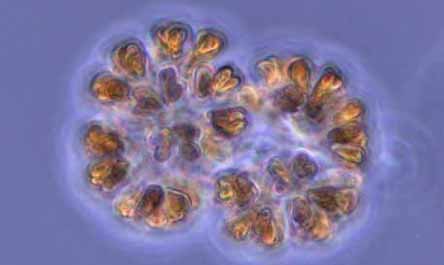
This is an intermediate course for the identification of common colonial and non-potentially toxic genera and species of the cyanophyta. Suitable for students, professionals, and others who have completed the Foundation: Introduction to Phycology Course or have some prior experience in cyanobacteria identification.
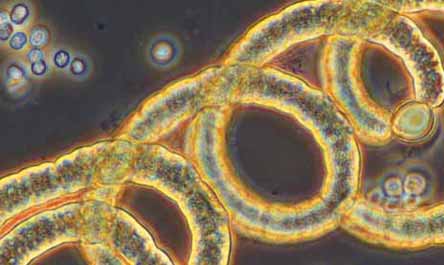
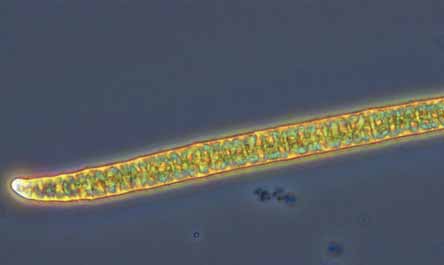
This intermediate course looks at the identification of common non-heterocystous, filamentous cyanobacterial genera and species. Suitable for students and analysts with some foundation knowledge and experience in microscopy and phycology.
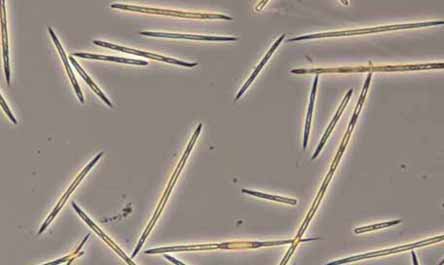
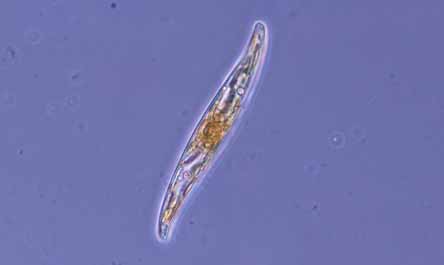
This intermediate course examines some of the common bacillariophytes (diatoms) observed during examination of fresh and marine waters. Suitable for students and analysts with an interest and some background in microscopy and phycology.
Ideally, those doing the above-mentioned online courses should have access to a phase contrast microscope with x10 and x40 phase objectives with a long working distance. A camera to take photographs is also highly recommended. Sedgewick-Rafter chambers are more commonly used in analysis than Lund cells, but either is acceptable. While the courses aim to teach recognition of cyanobacteria to a high level, there is no substitute for spending time examining samples under the microscope.